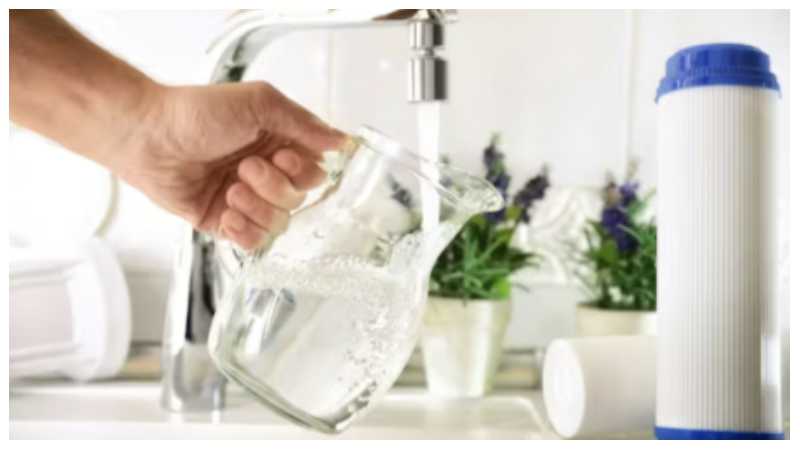
Most homeowners focus on the water they drink. A pitcher in the fridge. A small filter under the sink. Maybe bottled water for peace of mind.
But here’s the reality: you don’t just drink your water, you live in it.
You shower in it. Wash your clothes in it. Cook with it. Clean your dishes with it. Every faucet, every appliance, every pipe depends on the same supply entering your home.
If that incoming water carries chlorine, sediment, dissolved minerals, or trace contaminants, the entire house feels the effects. That’s why more homeowners are shifting from point-of-use filters to entry-point systems often considered the best water filtration system for home protection.
When you filter water at the source, everything changes. So lets discover when to filter water and right way to filter it.
1. Every Tap Delivers Consistent Water Quality
Point-of-use filters treat water at one faucet. But what about:
- Your shower?
- Your washing machine?
- Outdoor hose lines?
- Bathroom sinks?
Filtering water where it enters your home ensures:
- Uniform taste and odor
- Balanced mineral levels
- Reduced chemical exposure across all outlets
Consistency matters. When water quality varies from room to room, your home never truly benefits from filtration.
- Your Skin and Hair Improve Without Changing Products
Many people blame skincare products for dryness or irritation. But often, the real culprit is chlorine and dissolved minerals in unfiltered shower water.
Common signs include:
- Tight or itchy skin after bathing
- Frizzy or brittle hair
- Faded hair color
- Increased scalp irritation
Chlorine strips natural oils from the skin barrier. Hard minerals disrupt moisture balance. Over time, daily exposure compounds the issue.
Entry-point filtration reduces these irritants before they reach your showerhead supporting healthier skin and hair without requiring expensive cosmetic changes.
- Appliances Last Longer and Perform Better
Water quality directly impacts appliance lifespan.
Mineral-heavy water contributes to:
- Scale buildup inside dishwashers
- Sediment accumulation in washing machines
- Heating element damage in water heaters
- Reduced efficiency in coffee makers and kettles
Scale doesn’t just look unpleasant; it forces appliances to work harder, increasing energy use and maintenance costs.
Filtering water at the entry point prevents buildup before it circulates through your home’s systems. The result? Better efficiency, fewer repairs, and extended equipment life.
- Plumbing Stays Cleaner and More Efficient
Your pipes are like arteries. When mineral deposits and sediment build up, water pressure drops and corrosion accelerates.
Signs your plumbing is affected include:
- Inconsistent water pressure
- Frequent fixture clogs
- Discolored water after inactivity
- Noisy or sputtering faucets
Entry-point systems reduce sediment and corrosive elements before they enter the plumbing network, helping maintain smoother internal pipe surfaces.
Prevention at the source protects the entire infrastructure of your home.
- Laundry Feels Softer and Lasts Longer
Water affects fabric more than most people realize.
Hard water and residual chlorine can:
- Cause fading
- Leave residue on clothing
- Make towels stiff
- Require more detergent per load
When water is filtered before entering the washing machine, detergents dissolve more effectively, fabrics rinse cleaner, and colors maintain their vibrancy.
This benefit extends beyond comfort, it reduces waste and lowers long-term replacement costs.
- Water Quality Remains Stable Year-Round
Municipal water conditions fluctuate throughout the year due to:
- Seasonal rainfall
- Infrastructure repairs
- Treatment adjustments
- Environmental changes
These fluctuations often lead to changes in taste, odor, and mineral concentration.
Without entry-point filtration, your home absorbs these inconsistencies directly. A whole-home system stabilizes incoming water quality, ensuring dependable performance regardless of external changes.
What Entry-Point Filtration Actually Solves
Here’s a simple comparison to understand the difference:
| Situation | What It Means | What Entry-Point Filtration Does |
| Chlorine smell | Residual disinfectants | Removes excess chemicals |
| White scale on fixtures | Hard mineral buildup | Reduces scaling minerals |
| Dry skin after showers | Chemical & mineral exposure | Filters irritants before bathing |
| Appliance wear | Sediment & mineral damage | Protects internal components |
| Inconsistent water taste | Seasonal treatment shifts | Stabilizes quality across home |
Point-of-use filters solve isolated problems. Entry-point filtration addresses the system as a whole.
The Difference Between “Filtered” and “Fully Protected”
Many homes rely on a single faucet filter and assume they’re covered. But consider this:
- You inhale steam during showers.
- Your skin absorbs water during bathing.
- Your clothes retain residual minerals after washing.
Water exposure is more than ingestion.
Research continues to explore how prolonged exposure to disinfectants and dissolved contaminants may impact long-term wellness. While municipal water meets legal safety standards, those standards focus on minimum compliance not optimal home health.
The best water filtration system for home use doesn’t just make water drinkable. It makes it livable.
Advanced systems combine multiple filtration stages, such as:
- High-capacity carbon filtration
- Sediment pre-filtration
- Mineral conditioning or softening
- Optional reverse osmosis for drinking water
Together, these create a controlled water environment inside your home independent of outside variability.
Final Check: Is Your Home Only Partially Protected?
Ask yourself:
- Do I still see scale buildup even though I use a sink filter?
- Does my skin feel dry even after changing soaps?
- Do my appliances require frequent descaling or repairs?
- Does water taste different depending on which faucet I use?
If you answered “yes” to any of these, your filtration may be too limited.
Filtering water at the entry point changes everything because it shifts the strategy from reaction to prevention. Instead of addressing problems room by room, you solve them before they spread.
Your home depends on water every single day. When that water is consistently clean, balanced, and properly filtered, the benefits extend beyond taste; they protect your health, your plumbing, your appliances, and your long-term comfort.
Clean water shouldn’t be selective. It should flow through every pipe, every tap, every shower without compromise.