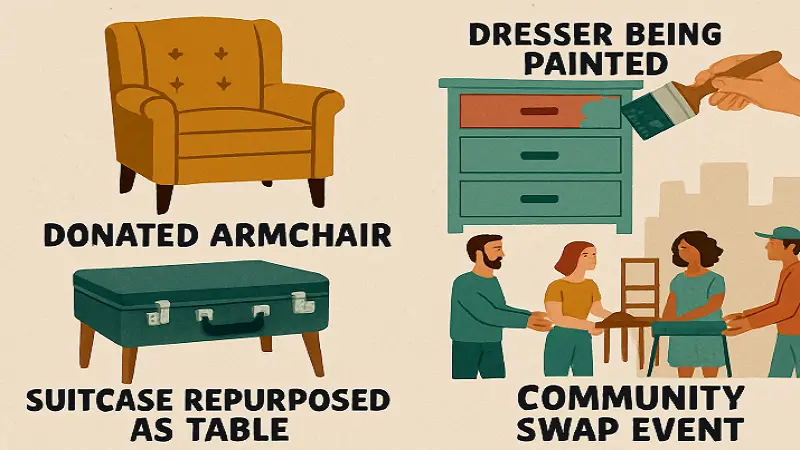
Refreshing your home can be an energizing experience, but the question of what to do with unwanted furniture often lingers. Rather than sending these pieces to the landfill, more sustainable and creative approaches are available. Whether you choose to pass them along to someone in need, reimagine their purpose, or find a new owner, your unwanted furnishings can find a new life. For those faced with large, bulky items or unsure where to begin, consider learning how to haul away old furniture in a responsible manner that benefits both your space and the environment.
Embracing alternatives to disposal doesn’t just help minimize waste—it can also spark inspiration for fresh decorating ideas and support your local community. Every piece of furniture has potential, whether it’s in the form of a cherished hand-me-down or an outdated dresser waiting to be reinvented. With just a little effort, you can discover creative ways to keep your old pieces useful and appreciated.
Donate to Charities
Donating furniture is one of the easiest and most impactful ways to rehome your pieces. Nonprofit organizations, such as Habitat for Humanity ReStores, Goodwill, and the Salvation Army, gladly accept gently used items for resale, using the proceeds to fund crucial programs. Before preparing a donation, inspect your items for damage and review the specific guidelines of the donation center to ensure a smooth process. Many organizations even provide pickup services for larger pieces, making the process seamless and convenient.
Not only does this approach give your furniture a second life, but it also supports people in your community by providing affordable options for those who need them most.
Additionally, donating furniture can help reduce waste and lessen the environmental impact associated with disposal. It’s a sustainable choice that promotes reuse and responsible consumption. Plus, charitable donations can sometimes be tax-deductible, offering potential financial benefits to donors.
Sell Online
For individuals seeking to earn a little extra cash on the side, online selling platforms can be invaluable. Websites like Facebook Marketplace, Craigslist, and OfferUp provide user-friendly interfaces, easy navigation, and a broad reach to a wide audience. To ensure a quick sale and attract potential buyers, it is essential to post clear, high-quality, and well-lit photos of your items; write detailed descriptions that highlight their features and condition; and price them competitively based on market value. Additionally, highlighting the unique features or potential creative uses of your furniture can also help capture the interest and curiosity of buyers browsing online. Selling items online not only helps you clear clutter from your home, garage, or storage spaces, but it can also give your furniture and possessions a new home where they will be valued and appreciated. Lastly, keeping all transactions local and safe is very important—always meet in public places or use established community exchange zones whenever possible to ensure security and peace of mind for both parties involved.
Upcycling Projects
For those with a DIY spirit or a creative streak who enjoy hands-on projects, upcycling offers a highly rewarding and satisfying way to transform old, unused furniture into stunning, functional pieces. Instead of seeing an old bookshelf, an outdated table, or a tired dresser as merely remnants of the past, look for innovative ways to reinvent and breathe new life into them altogether. For example, an unused dresser can be effortlessly converted into a chic kitchen island by adding a sturdy butcher block top and applying a fresh coat of paint that matches your home decor. Similarly, old and worn-out chairs can be creatively repurposed into charming plant stands or unique bedside tables that serve as statement pieces in your home. If you’re actively hunting for ideas, inspiration, or step-by-step guidance, resources like this comprehensive collection of furniture makeover projects from Apartment Therapy can be incredibly helpful for both beginners and experienced DIY enthusiasts alike. Upcycling not only prevents waste by giving new purpose to old items, but it also allows you to infuse your home with one-of-a-kind, personalized pieces that truly reflect your unique style and personality, making your living space warmer and more inviting.
Community Exchange
Local swap events and community exchange programs are fantastic opportunities to rehome furniture and other household items while connecting with neighbors and building a sense of community. Community Facebook groups, Nextdoor, and Buy Nothing groups make it easy to post available items and find things you need in return, fostering a spirit of mutual support. Participating in these programs promotes a circular economy and fosters relationships, all while keeping useful items out of landfills and reducing waste. Furniture e-stores increasingly offer the option to return or sell old furniture. For example, the Polish site edinos enables people to sell their unused furniture — and this is the option most customers choose. Swap meets often welcome a wide range of furniture, from modern pieces to antique collectibles, and many communities organize seasonal exchange events that promote sustainable living and environmental responsibility. These events exemplify the saying, “One person’s trash is another’s treasure,” demonstrating the value of repurposing and recycling.
Creative Reuse
With a bit of creativity and some DIY spirit, even the most ordinary and overlooked pieces of furniture or objects can be transformed into something entirely new, unique, and eye-catching. Wooden crates, for example, can easily be repurposed and upgraded to become stylish side tables or versatile storage bins, especially when you add a set of sturdy legs and a fresh coat of paint in your favorite color. Vintage suitcases, on the other hand, can be creatively stacked and arranged to create quirky yet functional nightstands or coffee tables, showcasing your individual taste, artistic flair, and resourcefulness. These creative projects are only limited by your imagination and sense of style. Not only do they add character, charm, and character to your living space, but they also serve a practical purpose and tell a story about your personality and ingenuity.
Conclusion
Choosing to rehome or repurpose old furniture can have a lasting positive impact—both for the environment and your home. Whether you donate to charitable organizations, sell online through various platforms, give upcycling a creative try, or participate in a community exchange event, you are making a conscious and intentional choice to extend the life of your furnishings and significantly reduce waste. By adopting these innovative and eco-friendly strategies, you not only declutter your living space but also encourage sustainability, support local communities, and create unique, meaningful, and personalized additions to your home that reflect your style and values.