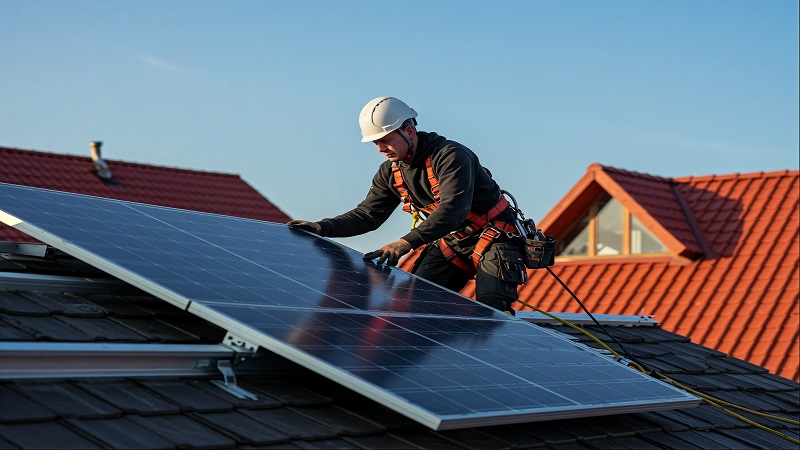
Solar energy systems represent a long-term investment that delivers value through consistent performance, predictable operating costs, and environmental benefits. To maintain reliable output across changing seasons, owners must treat maintenance as an ongoing operational practice rather than a one-time task. Dust, weather patterns, temperature swings, and surrounding vegetation all influence how effectively panels convert sunlight into usable power. We will explore how regular attention to cleaning, inspections, system monitoring, and seasonal adjustments can help sustain reliable energy production throughout the year.
By understanding how small maintenance decisions compound over time, property owners in Pleasanton, CA can protect system components, avoid preventable output losses, and maintain steady performance without unnecessary disruptions. A structured maintenance approach also supports long-term planning, ensuring solar installations continue to deliver measurable returns in real-world conditions.
Key Maintenance Practices for Consistent Solar Performance
Routine Cleaning to Reduce Surface Obstruction
Keeping solar panels clean is one of the most practical ways to support consistent energy production. Over time, dust, pollen, bird droppings, and airborne debris accumulate on the panel surface, creating a barrier that reduces sunlight reaching the photovoltaic cells. In regions like Pleasanton, where dry periods and seasonal winds are common, this buildup can occur faster than many owners expect. Even a thin layer of residue can reduce light absorption, resulting in noticeable output drops over weeks or months.
Cleaning schedules should reflect local environmental conditions rather than fixed calendar dates. Using soft brushes, low-pressure water, and non-abrasive tools helps prevent scratches that could degrade panel coatings. Safety planning is also critical; accessing rooftops requires stable equipment and awareness of electrical components. By treating cleaning as a preventive measure rather than a corrective one, system owners can maintain steady performance without waiting for visible efficiency losses to appear.
Visual Inspections and Hardware Awareness
Beyond surface cleanliness, visual inspections play a central role in identifying early signs of wear or disruption. Mounting hardware, wiring connections, and panel frames are exposed to temperature changes, moisture, and wind stress throughout the year. Over time, bolts may loosen, seals can degrade, and cables may shift due to expansion and contraction. A scheduled visual check allows owners to notice cracks, discoloration, or corrosion before these issues affect performance or safety.
Inspections should also include nearby roof areas to confirm that drainage pathways remain clear and that no new shading has developed from tree growth or nearby structures. Addressing minor alignment or fastening concerns early can prevent larger structural problems later. This proactive approach supports uninterrupted operation while extending the usable lifespan of system components that are often overlooked in day-to-day use.
Performance Monitoring and Data Review
Consistent monitoring transforms maintenance from guesswork into an informed process. Most modern solar systems include monitoring platforms that display daily, monthly, and seasonal production data. Reviewing this information regularly helps owners identify unexpected output drops that may indicate shading changes, inverter issues, or connection problems. Comparing current performance against historical averages provides context, helping distinguish between normal seasonal variation and operational concerns.
Data review also supports better communication when service support is needed, as it clearly identifies specific trends and timeframes. Monitoring encourages accountability by linking maintenance actions to measurable outcomes. When cleaning or adjustments improve output, the value of routine care becomes tangible. Over time, this data-driven habit helps ensure the system continues operating within expected performance ranges, even as external conditions fluctuate throughout the year.
Seasonal Adjustments and Environmental Planning
Seasonal changes affect solar panel performance due to variations in sunlight angle, temperature, and weather patterns. Preparing for these shifts supports stable output across the calendar year. In warmer months, airflow around panels becomes important, as excessive heat can reduce conversion efficiency. Ensuring adequate clearance beneath panels allows heat to dissipate naturally. During cooler or wetter seasons, drainage and debris management take priority, as fallen leaves or pooled water can obstruct sunlight or stress mounting systems.
Property owners should also consider how seasonal landscaping affects shading and trim vegetation as needed to preserve exposure. Snow is less common in some regions, but where it occurs, safe removal strategies should be planned. By aligning maintenance priorities with seasonal conditions, owners can adapt their approach without overcorrecting, maintaining reliable energy generation regardless of environmental variation.
Effective solar panel maintenance is not defined by complexity but by consistency and awareness. By integrating regular cleaning, visual inspections, performance monitoring, and seasonal planning into a structured routine, system owners can ensure reliable energy production year-round. Small, well-timed actions reduce the likelihood of unexpected disruptions while preserving the value of the original installation. Rather than reacting to performance declines after they occur, a preventive mindset allows solar systems to operate as intended under changing conditions. With thoughtful maintenance, solar panels remain a reliable energy asset, delivering steady results while supporting long-term planning and sustainability goals.