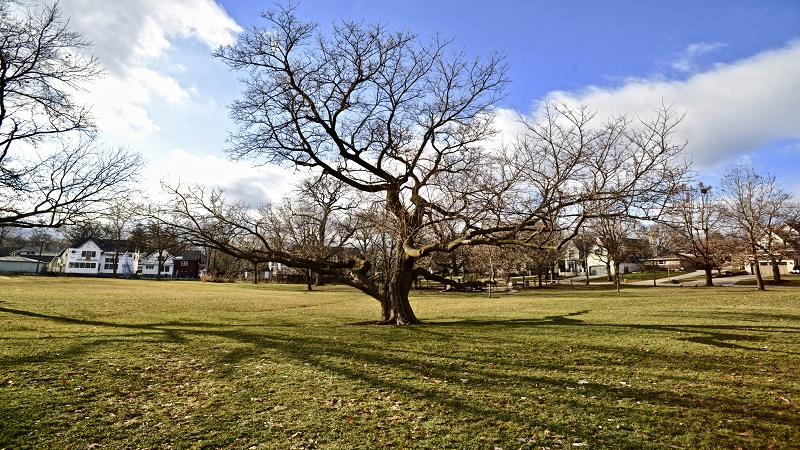
Strong winds and storms can pose serious risks to trees, ranging from broken branches to uprooting, which can potentially endanger property and people. Preparing your trees ahead of severe weather helps minimize damage and ensures the safety of your landscape. By taking proactive steps—such as regular pruning, securing weak branches, and assessing tree health—you can strengthen trees against high winds and heavy rain. Understanding the specific vulnerabilities of different tree species and identifying potential hazards around your property allows for targeted protective measures. With thoughtful preparation, your trees can withstand storms more effectively, preserving both their health and the surrounding environment.
Regular Inspections
Regular inspections are the first line of defense in storm preparedness for your landscape. Trees often exhibit warning signs of weakness or distress—such as cracked limbs, visible root disturbances, or cavities in the trunk—that may not be obvious at first glance. These issues, left unchecked, can escalate rapidly during high winds, transforming manageable problems into major threats.
Enlisting a certified arborist, such as those at Zazueta Tree Specialists, to inspect mature trees annually is an effective strategy for identifying subtle health and safety issues. They can offer in-depth evaluations, look for disease or insect infestations, and identify dangerous lean or decay that may compromise structural stability. Early action reduces the likelihood of needing emergency cleanup after storms and extends the lifespan of your landscape investments.
Pruning Techniques
Pruning is one of the most beneficial practices for strengthening trees against storms. Strategic pruning helps eliminate deadwood, reduce canopy density, and remove branches that pose risks by overhanging structures or walkways. By thinning out the canopy, wind flow is improved, decreasing pressure on branches and the root system.
The best time to prune most trees is during their dormant season, which reduces stress and allows for vigorous spring growth. Avoid aggressively removing healthy limbs, focusing instead on weak, crossing, or diseased branches. Proper pruning enhances both the aesthetic appeal and structural integrity of your trees, making them less likely to fail in adverse weather conditions.
Mulching and Soil Care
Mulching is a simple yet powerful way to promote root health and tree stability. By maintaining a layer of organic mulch, 2-4 inches deep, around the base of your trees (but a few inches away from the trunk), you protect roots from temperature extremes, reduce water loss, and prevent soil compaction.
Healthy soil is just as critical as structural care above ground. Aerate compacted soil regularly to increase oxygen flow and allow roots to penetrate deeply. Well-aerated and mulched soils help trees anchor more securely, reducing the risk of uprooting during high winds or prolonged rainfall.
Supporting Young Trees
Newly planted and young trees are particularly vulnerable during storms because their root systems are not yet fully established. Staking provides vital temporary stability, but it’s important to avoid binding the tree too tightly. Soft, flexible ties should secure the tree while still allowing for movement, which encourages trunk and root development.
Remove supports after the tree’s first year or once it stands upright on its own. Prolonged staking can cause trunk injury or dependency. Keeping an eye on growing trees and making adjustments as needed is key to developing resilient, self-supporting plants.
Removing Hazardous Trees
Not every tree can or should be saved. Trees with large dead sections, extensive internal decay, or severe uncorrectable lean present significant risks to your home and surrounding property. In these cases, removal is the safest option, especially before the start of the storm season.
Always hire professionals for hazardous removals, as improper techniques can cause injury or property damage. Certified arborists combine their expertise and specialized equipment to remove compromised trees safely and provide recommendations for replacement species that are better suited to your location.
Additional Protective Measures
Effective storm preparation goes beyond caring for your trees. Secure any loose outdoor items such as garden furniture, tools, or decorative fixtures that could be transformed into projectiles by strong winds. Reinforce fences, trellises, and sheds to prevent collateral damage to both your trees and your property.
Adequate planning and preparation, combined with expert guidance, will keep your landscape resilient regardless of the season.
Final Thoughts on Tree Storm Preparedness
Proactive tree care is the key to minimizing storm damage and maintaining a safe, healthy landscape. By combining regular inspections, strategic pruning, proper soil management, and the careful support or removal of vulnerable trees, you can significantly reduce risks during severe weather. Preparing in advance not only protects your property but also promotes the long-term health and vitality of your trees, ensuring they remain resilient throughout every season.