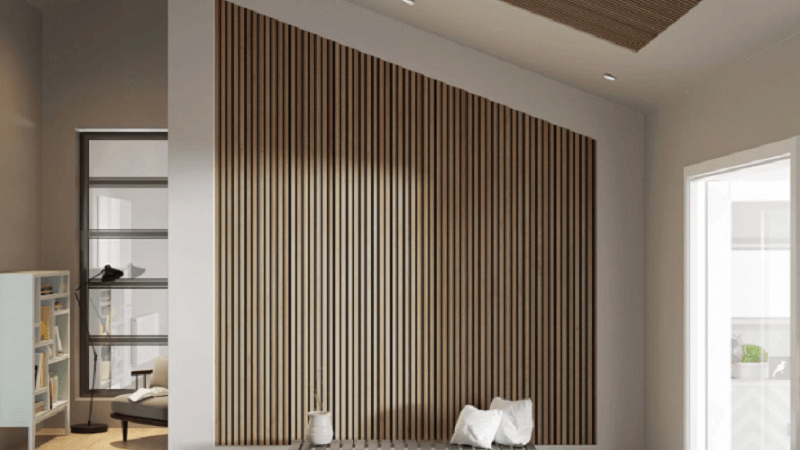
The shift toward calmer, more tactile homes has accelerated in recent years. After hours spent in front of screens and under artificial light, many people feel a growing need for spaces that ground them. One of the clearest responses to this need is the renewed interest in wood as a visible, dominant feature in interior design. Instead of hiding natural materials behind paint and plaster, more homeowners and architects bring them to the forefront, especially through wood-clad walls and ceilings.
This trend is not only aesthetic. It reflects a broader search for balance, slower living and more conscious choices. When you touch a warm, textured wooden surface, you immediately sense that the room behaves differently from one dominated by plastic, glass and metal. The light softens, the acoustics change, and the atmosphere becomes less sterile and more human.
From flat walls to living surfaces
For decades, the ideal wall was perfectly flat, white and anonymous. It served as a neutral backdrop for furniture and decoration, but rarely had a presence of its own. Now, walls are again treated as active design elements. Instead of being invisible, they are used to zone rooms, guide the eye and create a specific mood.
This is where wood wall panels enter the picture. They add depth and rhythm to a room through repeating slats, changing shadows and subtle color variations in the grain. Even a single feature wall behind a sofa, bed or dining table transforms how the entire space feels. The room appears more complete, almost like a carefully composed scene rather than a random collection of objects.
The tactile quality is crucial. Modern homes are full of smooth, hard surfaces: glass tabletops, lacquered cabinets, stone countertops. Wood introduces a different kind of touch. Run your hand along a panelled wall and you feel temperature, texture and slight irregularities. These small sensory impressions have a calming effect, especially in spaces used for unwinding, reading or socializing.
Acoustic comfort in everyday life
One of the most underestimated benefits of wooden panels is their impact on sound. Many open-plan homes suffer from echo and noise because they combine hard floors, large windows and minimal textiles. Voices bounce around, the clatter from the kitchen carries into the living room, and a simple conversation becomes tiring.
Slatted walls with felt backing or similar acoustic solutions absorb and diffuse sound instead of reflecting it directly. This reduces echo and makes speech clearer at normal volume. The result is not silence, but a softer, more comfortable soundscape.
In a small apartment, this difference is immediately noticeable. A wall of panels behind the TV reduces sharp reflections from dialogue and sound effects, so you do not need to turn the volume up. In a home office, it becomes easier to focus during online meetings because your own voice sounds more natural and less harsh. In larger homes with high ceilings, acoustic panels help avoid the “hall” feeling that otherwise dominates.
Sustainability and the ethics of materials
As interest in natural materials grows, so does the demand for responsible sourcing. People no longer accept “wood” as automatically sustainable. They ask where it comes from, how it was processed and whether the forest is managed responsibly. This awareness pushes both manufacturers and consumers to make more informed choices.
Choosing certified wood and durable finishes is not only an environmental decision; it is also about longevity. A well-made wooden wall ages with grace. Small scratches and color changes over time add character rather than making the surface look worn out. In that sense, a wooden panel wall becomes a long-term investment instead of a short-lived trend.
Maintenance also plays a role. Many modern panels are designed to be dusted and wiped down easily, which makes them suitable even for homes with children or pets. When a surface is both beautiful and practical, it encourages people to keep it and care for it, rather than replacing it when fashions change.
Creating zones in flexible homes
Homes are increasingly asked to do more with less space. One room might function as office, guest room, workout area and TV lounge within the same week. In such flexible layouts, visual zoning becomes essential. You need subtle ways to indicate: “This corner is for work,” “that area is for rest.”
Wooden wall panels are effective tools for this. A panelled section behind a desk instantly frames a workspace and gives it a sense of purpose. In a studio apartment, a wooden-clad niche can mark the sleeping area, making it feel intimate even without a solid wall. In a family living room, a panelled TV wall separates the media zone from a reading corner with softer lighting and different textures.
Lighting enhances this zoning effect. When you combine panels with warm, indirect light from wall lamps or LED strips, the slats cast gentle shadows that shift throughout the day. The room changes character between morning and evening, yet remains coherent because the wooden surfaces tie the different areas together.
Emotional impact and everyday rituals
Beyond aesthetics and function, wooden walls affect how people behave in a room. Spaces with natural materials tend to invite slower activities: reading, conversation, crafting, listening to music. The environment signals that this is a place to be present, not just to pass through.
In a bedroom, a wooden headboard wall encourages a calmer evening routine, with dimmed lights and fewer screens. In a dining area, a panelled wall supports longer meals and deeper conversations, simply because the atmosphere feels more intimate. Even in small urban homes, a single wooden surface can create a sense of refuge from the pace outside.
This emotional dimension explains why the trend toward natural, tactile interiors shows no sign of fading. It speaks to a basic need for connection – not only with nature, but with our own senses and daily rhythms. When design supports that connection, it moves from decoration to something more essential.
A quiet shift in how we shape our spaces
The growing use of wooden wall panels is part of a broader rethinking of what a home should offer. Instead of chasing short-lived styles, more people look for materials that age well, improve comfort and align with their values. Wood, used thoughtfully, meets all three expectations.
By combining visual warmth, better acoustics and responsible sourcing, panelled walls turn ordinary rooms into places that feel more grounded and humane. They do not demand attention with loud colors or extreme shapes; they work quietly in the background, supporting everyday life.
As homes continue to adapt to new ways of living and working, these calm, tactile surfaces will likely remain. They remind us that good design is not only something we see, but something we hear, touch and inhabit day after day.