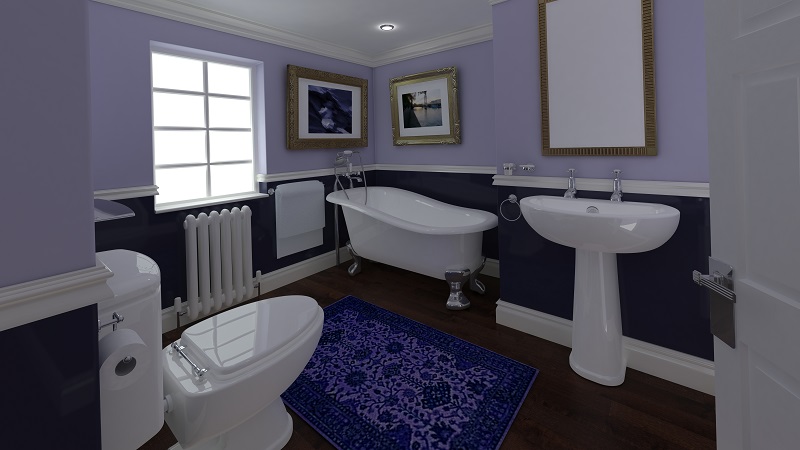
When looking for bathroom remodelers in Doylestown, many homeowners quickly discover that one of the biggest design choices comes down to a single question: modern or traditional? Both styles offer timeless appeal, but they create entirely different atmospheres. A modern bathroom leans toward sleek lines, minimalism, and high functionality, while a traditional space celebrates warmth, character, and intricate detailing.
Understanding the nuances between these two aesthetics can help you choose a design that reflects your personality, complements your home’s architecture, and enhances your everyday routine.
What Defines a Modern Bathroom?
A modern bathroom embodies simplicity, functionality, and clean design. Every element, from floating vanities to frameless mirrors, is chosen to create an uncluttered and open atmosphere. Neutral color palettes like white, gray, and charcoal dominate, often paired with sleek finishes such as chrome, glass, and matte black. Storage solutions are built seamlessly into the design to maintain visual harmony, while technology adds convenience and comfort. You might find smart showers, heated floors, and motion-activated lighting working quietly in the background. Common features include:
- Minimalist vanities and wall-mounted faucets
- Large-format tiles and frameless glass showers
- Integrated LED mirrors and hidden storage
Modern bathrooms are ideal for homeowners who appreciate a contemporary lifestyle and prefer spaces that feel fresh, streamlined, and easy to maintain.
What Defines a Traditional Bathroom?
A traditional bathroom exudes warmth, comfort, and a touch of nostalgia. This design celebrates timeless craftsmanship with ornate cabinetry, detailed moldings, and soft color schemes. Instead of sharp lines and minimalist decor, traditional bathrooms highlight elegance through texture and pattern. Materials like marble, natural wood, and brushed brass fixtures bring richness to the space. Decorative lighting (such as sconces or chandeliers) adds personality and a soft glow. Key elements often include:
- Raised-panel vanities or furniture-style cabinetry
- Freestanding clawfoot tubs or pedestal sinks
- Warm color palettes and vintage-inspired hardware
Traditional bathrooms are perfect for those who appreciate charm and character, transforming everyday routines into a refined experience
Can You Combine Modern and Traditional Styles?
Absolutely. Many homeowners today are embracing transitional design, a balanced blend of modern minimalism and traditional warmth. This approach allows for creative freedom, mixing clean-lined vanities with vintage mirrors, or pairing marble countertops with sleek black fixtures. It’s about contrast and cohesion, combining the best of both worlds. For instance:
- Use classic materials like marble or wood but in streamlined shapes
- Pair ornate lighting with simple wall textures
- Mix traditional cabinet styles with modern hardware finishes
The result is a bathroom that feels both timeless and current, adaptable to evolving trends without losing its personality.
How Lighting and Fixtures Shape the Style
Lighting and fixtures play a defining role in distinguishing modern and traditional bathrooms. In modern spaces, lighting tends to be functional and minimalist, often built into mirrors or ceiling recesses to create soft, even illumination. Fixtures follow suit with sleek, geometric, and streamlined, often in polished chrome, matte black, or brushed nickel. Traditional bathrooms, on the other hand, use lighting as a statement piece. Wall sconces, chandeliers, or lantern-style fixtures bring elegance and warmth, while fixtures lean toward curved shapes and ornate detailing. To visualize the difference:
- Modern: recessed LED strips, backlit mirrors, square or cylindrical faucets
- Traditional: crystal sconces, bronze finishes, and cross-handle faucets
Thoughtful lighting and fixture choices can completely transform a bathroom’s mood, either emphasizing contemporary sophistication or timeless charm.
Which Design Fits Your Home Best?
Your choice should reflect not only your aesthetic preferences but also the architecture and flow of your home. Modern designs may suit newer homes or open layouts where simplicity enhances spaciousness. Traditional styles often complement historic or character-rich properties that deserve a more detailed touch.
If your home blends eras, a transitional style might be your perfect match. Whatever your vision, the goal is to create a bathroom that feels cohesive, comfortable, and uniquely yours.