Key Takeaways
- Utilizing sustainable materials, such as mass timber and recycled resources, reduces environmental impact.
- Incorporating energy-efficient designs and renewable energy sources leads to net-zero energy homes.
- Adaptive reuse of existing structures preserves resources and adds unique character to homes.
- Integrating smart home technologies enhances energy efficiency and convenience.
Today’s home construction industry is experiencing rapid innovation, with sustainability and eco-friendly choices at the forefront of both new builds and renovations. As modern homeowners become increasingly environmentally conscious, there has been a strong push towards building practices that prioritize both the health of occupants and the health of the planet. For those seeking guidance on building a future-proof residence, working with a home construction company in Toronto can help ensure that your home incorporates the latest sustainable materials and energy-efficient technologies.
Modern construction now means more than simply erecting sturdy walls or a stylish façade. It’s about reducing your carbon footprint, conserving energy, and utilizing the latest innovations to create a home that’s not only beautiful and functional, but also responsible in its resource use. From reimagining the supply chain to reusing historic buildings, the future of home construction is undeniably green.
Eco-conscious homeowners are finding value in choices that extend over the entire lifespan of a building, emphasizing recycled content, durability, and reduced waste. Designers and builders are responding by sourcing materials and implementing technologies that maximize energy saving while minimizing environmental harm.
According to industry reports, sustainable advancements in the construction sector are helping to reduce utility costs, improve indoor air quality, and increase overall property value—essential considerations as regulatory requirements tighten and climate challenges intensify.
Embracing Sustainable Materials
A defining element of contemporary home construction is the use of sustainable materials. Mass timber is leading the way—offering the structural strength of steel but at a fraction of the carbon footprint. As the world seeks greener alternatives to traditional concrete and steel, cities like Stockholm are embracing timber on a large scale. Not only is mass timber renewable, but its production generates fewer greenhouse gas emissions, making it an attractive choice for large-scale developments.
Recycled and reclaimed materials are also gaining traction. Homeowners are increasingly incorporating reclaimed wood, metal, and even repurposed glass into their homes. This not only reduces waste sent to landfills, but also infuses each build with unique character and history. Sourcing locally recycled materials can further reduce emissions associated with transportation, making the home’s entire lifecycle greener.
Energy-Efficient Design and Net-Zero Homes
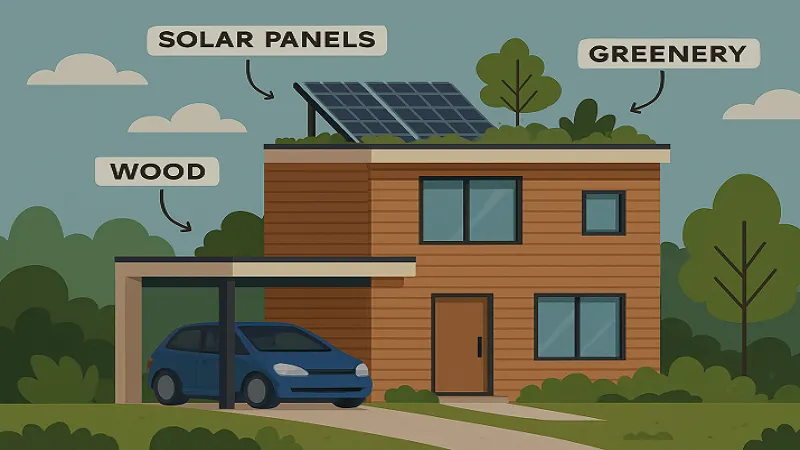
Achieving energy efficiency is a hallmark of modern sustainable design. The concept of a net-zero home—where a building generates as much energy as it consumes over the course of a year—is fast becoming a standard for new construction. Passive solar orientation, advanced insulation, and energy-efficient windows dramatically reduce heating and cooling needs. Renewable energy systems, such as photovoltaic panels and geothermal heat pumps, complement these strategies.
More builders are experimenting with double-skin façades, innovative HVAC systems, and green roofs, all of which reduce operational energy demand while improving indoor comfort. According to the U.S. Department of Energy, homes that optimize these design elements can reduce their energy bills by half and significantly decrease their environmental footprint over time.
Adaptive Reuse and Renovation
Adaptive reuse is a powerful way to marry sustainability with architecture that tells a story. By converting existing buildings into modern homes, developers save on raw materials and energy, while preserving the local culture and heritage. Renovations can retrofit older houses with high-performance windows and insulation, modern HVAC systems, and smart home features, all without the environmental costs associated with demolishing and rebuilding from scratch.
Not only does this preserve historical value, but it also offers a creative, character-filled alternative to new builds. As urban density increases, cities are finding new ways to breathe life into aging structures, reducing urban sprawl and resource waste in the process.
Integration of Smart Home Technologies
The digital revolution is transforming home construction with the integration of innovative technologies. Today’s homes are equipped with systems that control everything from security and lighting to heating and ventilation—often managed via smartphone or voice command. These systems offer significant energy savings by optimizing usage patterns, detecting inefficiencies, and automating responses to environmental changes.
Key Innovations
- AI-powered thermostats that adapt to user habits
- Innovative lighting solutions with occupancy sensors
- Remote monitoring for security and energy management
- Connected appliances that optimize energy use
As smart tech evolves, the trend is shifting from simple automation to intuitive systems that learn and adjust automatically, making home management easier, more secure, and sustainable for busy families.
Conclusion
The home construction industry is undergoing a significant green revolution, driven by increasing environmental awareness and technological advancements. By integrating sustainable materials such as recycled composites and low-impact finishes with energy-efficient, net-zero building designs, today’s homes are built to minimize their ecological footprint. Adaptive reuse strategies—transforming existing structures rather than creating new ones—further reduce waste and conserve resources. Smart home innovations, including automated energy management and efficient climate systems, enhance comfort while lowering utility costs. As these practices continue to evolve, modern homes are becoming healthier, more efficient, and more resilient, ensuring a truly sustainable living environment for future generations.