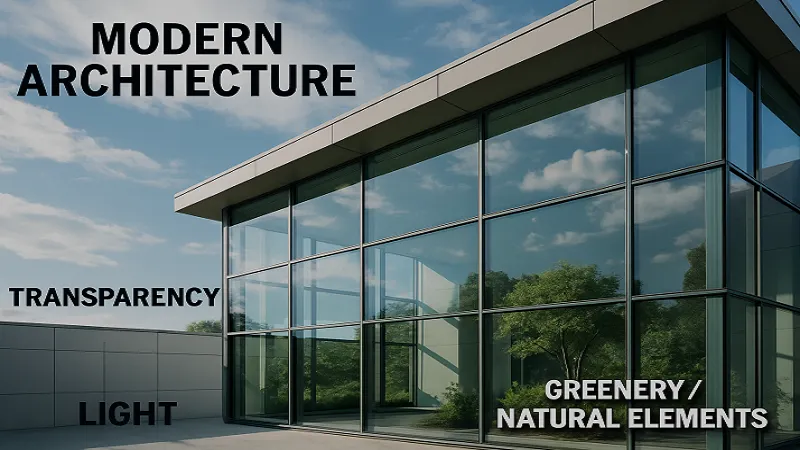
Glass has become a defining feature in contemporary architecture, uniting spaces with natural light while offering durability and design versatility. As the construction industry advances, glass installation solutions have evolved to deliver improved performance, energy savings, and sustainable design. Companies like Kennedy Glass are at the forefront of revolutionizing the way modern spaces utilize glass, blending cutting-edge technology with aesthetic and practical demands.
Modern glass is engineered for more than just views—it’s about optimizing comfort, supporting environmental objectives, and creating flexible spaces. Advancements in smart glass, energy-efficient solutions, and sustainable manufacturing are setting new benchmarks for what glass can achieve in residential and commercial projects. Whether it’s adjusting sunlight, enhancing privacy, or incorporating natural aesthetics, these innovative approaches are transforming glass from a static material into a dynamic architectural component.
Today’s most notable glass technologies are engineered to strike a balance between natural beauty and high-functioning performance. From switchable privacy glass to energy-reflective options and self-cleaning glass facades, the industry is undergoing rapid change. Recent years have also seen an expansion of customization, with bespoke designs and digital printing techniques providing architects with unprecedented creative freedom. These innovations not only improve energy efficiency and sustainability but also contribute to occupant well-being, productivity, and indoor air quality.
As buildings demand more innovative materials to meet energy codes and green building standards, glass solutions stand out as both adaptive and responsible. The future holds even greater integration of technology, blending glass with automation, IoT connectivity, and bioactive properties. For more insights into the evolving role of glass in architecture, see this comprehensive piece from Architectural Digest.
Smart Glass Technologies
Smart glass, also known as switchable glass, is revolutionizing the way we manage privacy and daylighting in modern buildings. This advanced glass technology can transition from transparent to opaque at the touch of a button or in response to environmental triggers. For offices, healthcare spaces, and private homes, smart glass adds value by offering on-demand privacy while maximizing natural light. It also helps reduce glare and lower electric lighting needs, making daily environments more comfortable and energy-efficient.
By adjusting its opacity according to light intensity or scheduled routines, smart glass acts as a dynamic building material, helping to maintain occupant comfort with minimal manual intervention. This technology is proving especially valuable in open-plan layouts, executive rooms, and meeting spaces where flexibility and discretion are vital.
Energy-Efficient Glass Solutions
One of the most significant trends in architectural glass is the emphasis on improving energy efficiency. Low-emissivity (Low-E) glass features a thin coating that reflects heat while allowing light to pass through. This dual function helps reduce heating bills in winter and cooling costs in summer. Complementing this, insulated glass units (IGUs) with argon or krypton infill provide superior thermal insulation, notably lowering a building’s carbon footprint and utility expenses.
Energy-efficient glass is essential for meeting stringent energy codes and achieving sustainability certifications, such as LEED. According to the U.S. Green Building Council, buildings integrating high-performance glass contribute to healthier environments and long-term cost savings, a critical consideration for developers and property owners alike.
Advanced Laminated Thin Glass
In areas demanding strength without excess weight, advanced laminated thin glass has become a game-changer. By layering ultra-thin glass with specialized safety interlayers, manufacturers have produced panels that can withstand impact and resist shattering, all while allowing for creative freedom in façade design. These advancements enable architects to push the limits in form and function, utilizing glass in curved installations, large spans, and even in structural roles previously reserved for more traditional materials. The technology is gaining ground in both commercial towers and high-end residential projects.
Biophilic Glass Designs
The use of glass to enhance biophilic design—incorporating nature into the built environment—continues to grow. Biophilic glass products, such as Zen door glass by Novatech, mimic organic patterns and wood grains, providing privacy while maintaining a direct connection to the outdoors. Research suggests that spaces incorporating biophilic elements can enhance well-being, increase productivity, and foster more relaxing living and working environments. As demand intensifies for nature-inspired interiors, glass that visually bridges inside and outside spaces is more critical than ever.
Sustainable and Bioactive Glass
Sustainability is now a central concern in the construction industry, influencing glass innovation at every turn. Developments in sustainable and bioactive glass technology include photocatalytic coatings with titanium dioxide. These surfaces actively break down organic pollutants, improving air quality and reducing the frequency of cleaning. Buildings with bioactive glass facades help mitigate urban pollution and reduce maintenance costs, especially in bustling metropolitan centers.
Innovative approaches like these are not just about environmental responsibility—they also play a key role in health and safety by curbing surface contamination and promoting cleaner indoor environments. More information on the environmental health impact of glass can be found in The New York Times’ coverage on sustainable building materials.
Integrated 3D Printed Glass
The integration of 3D printing with glass manufacturing is unlocking a new era of customized, high-performance glass products. 3D printing enables the fabrication of intricate structures with layer-by-layer accuracy, offering optical clarity and variable transparency on demand. This level of customization is driving innovation in fields like photonics, advanced lighting systems, and artistic installations, transforming what’s possible in architectural and scientific environments. Integrated 3D Printing of Transparency-on-Demand Glass Microstructure
Thermochromic Glass Windows
Thermochromic glass automatically changes its tint in response to temperature shifts, regulating heat gain and loss naturally. In winter, these windows remain clear to capture solar heat, while in summer they darken to reduce excessive solar input, minimizing the reliance on mechanical heating and cooling systems. This passive adaptation enables buildings to achieve energy efficiency and promotes year-round comfort for occupants.
Conclusion
The evolution of glass installations is revolutionizing the face of modern architecture. With innovative technologies, energy-efficient solutions, and sustainable innovations, glass now shapes healthy, comfortable, and inspiring environments for future-forward buildings. As the industry advances, expect glass to continue defining how architecture balances aesthetics, eco-consciousness, and everyday living.