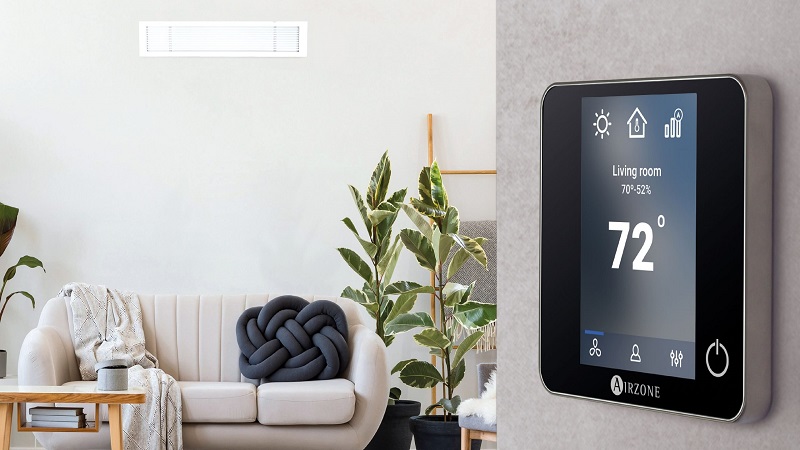
We will explore the critical role thermostats play in maintaining indoor comfort and efficiency in heating and cooling systems. Thermostats are often perceived as simple temperature controls, but their impact on system performance, energy consumption, and overall comfort is substantial. By regulating when and how heating or cooling equipment operates, thermostats directly affect the responsiveness and efficiency of HVAC systems. Whether controlling a home’s central air system or a standalone heater, thermostat settings can lead to noticeable differences in energy bills and indoor comfort. Understanding how thermostats function, the types available, and how they interact with heating and cooling systems enables homeowners to optimize performance and reduce unnecessary strain on equipment, contributing to a more reliable and energy-efficient home environment.
Thermostat Function and Influence on HVAC Systems
Regulating System Operation
Thermostats serve as the control center for heat and air conditioning systems. They monitor indoor temperatures and communicate with the HVAC unit to activate heating or cooling as needed. When the thermostat detects that the room temperature has fallen below or risen above the set level, it sends a signal to the furnace or air conditioner to adjust accordingly. This regulation ensures that the environment remains within a comfortable range, preventing extreme temperature fluctuations. The precision of this control influences how effectively the system maintains consistent comfort. Poorly calibrated or manually operated thermostats may cause frequent cycling, where the system repeatedly turns on and off, which can lead to increased wear on equipment and less efficient energy use. In contrast, a well-functioning thermostat provides stable regulation, reducing energy waste and improving system longevity.
Energy Efficiency and Cost Savings
Thermostats play a major role in energy management. Modern thermostats, particularly programmable and smart models, allow homeowners to set temperature schedules that align with daily routines. For example, lowering heating during work hours or reducing cooling overnight ensures the system operates only when necessary, reducing energy consumption. By minimizing HVAC runtime without sacrificing comfort, thermostats can deliver substantial cost savings on energy bills. Furthermore, some smart thermostats adapt automatically to occupancy patterns or local weather conditions, optimizing operation without requiring manual adjustments. Even small adjustments to thermostat settings can yield measurable energy-efficiency gains, demonstrating the direct link between thermostat functionality and the overall performance of heating and cooling systems.
Enhancing System Responsiveness
The thermostat type significantly influences the responsiveness of a heating or cooling system in use. Traditional mechanical thermostats, which rely on physical sensors and simple on/off control, may respond slowly to temperature changes. This lag can result in periods where indoor temperatures are either too high or too low before the system activates or shuts off. Digital and smart thermostats, however, often feature more advanced sensors and algorithms, enabling faster, more accurate responses to temperature fluctuations. Enhanced responsiveness contributes to more consistent indoor comfort, as the system can adjust in near real-time to changing environmental conditions. It also reduces stress on HVAC components by minimizing rapid, unnecessary cycling, thereby extending equipment life.
Zoning and Customized Comfort
Thermostats also support zoning capabilities in multi-area homes or commercial buildings. Zoning involves dividing a space into separate areas, each controlled by its own thermostat. This approach enables specific rooms to receive targeted heating or cooling based on their unique requirements and usage patterns. Without zoning, a single thermostat may inaccurately represent the building’s comfort needs, leading to over-conditioning in some areas and under-conditioning in others. By providing room-specific control, thermostats ensure energy is used efficiently, enhancing overall comfort while reducing energy consumption. Homeowners with zoning systems benefit from precise control over each environment, which is particularly important in larger properties or homes with varying sunlight exposure, insulation levels, and occupancy.
Integration with Modern Technology
Advances in thermostat technology have significantly increased its impact on heating and cooling performance. Smart thermostats integrate with Wi-Fi and mobile apps, offering remote monitoring and control, voice-activated commands, and detailed energy-usage reports. These devices often use machine learning algorithms to predict household usage patterns and automatically adjust temperature settings to maximize efficiency and comfort. Integration with other home automation systems allows thermostats to interact with lighting, security, and energy management systems, creating a more cohesive approach to energy optimization. The ability to monitor and adjust systems remotely ensures that heating and cooling performance remains consistent even when occupants are away, preventing wasted energy and maintaining a balanced indoor climate.
Maintenance and Longevity of HVAC Equipment
Proper thermostat management also contributes to the durability of heating and cooling systems. By preventing unnecessary operation, reducing frequent on/off cycling, and maintaining steady temperature levels, thermostats help reduce the mechanical stress on HVAC components. Over time, this can reduce the risk of equipment failure and extend the system’s service life. Thermostats that allow gradual adjustments, rather than abrupt temperature changes, minimize strain on compressors, furnaces, and fans, ensuring more reliable operation. Additionally, some thermostats include alerts or reminders for maintenance tasks such as filter replacement or system checkups. These features help homeowners maintain consistent system performance, improving comfort and operational efficiency.
Thermostats are far more than simple temperature dials; they are central to the performance, efficiency, and longevity of heating and cooling systems. By regulating system operation, enhancing responsiveness, supporting energy-efficient schedules, and enabling zoning, thermostats significantly impact both comfort and cost management. Modern technology, including smart, programmable thermostats, further expands these benefits by offering remote control, predictive adjustments, and integration with broader home automation systems.
Proper use of thermostats also contributes to HVAC equipment durability and improved indoor air quality, making them a key factor in overall system performance. Understanding and optimizing thermostat functionality enables homeowners to achieve balanced, efficient, and reliable heating and cooling throughout their spaces, underscoring the substantial influence of these devices on everyday comfort and energy management.