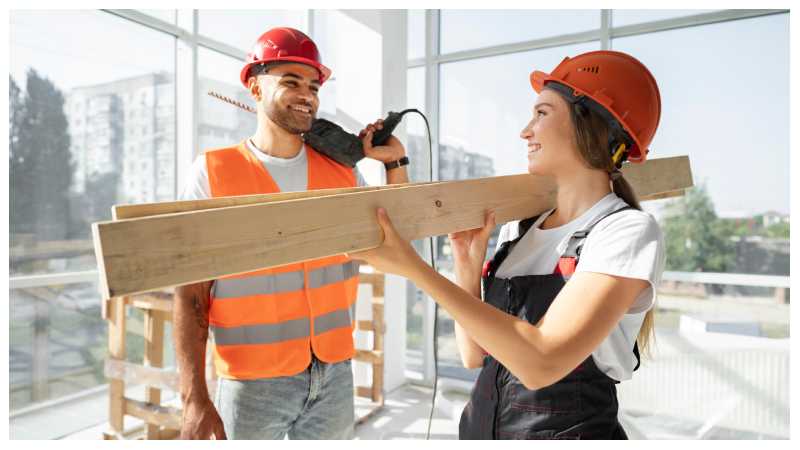
Big home projects often involve big materials. Whether you are remodeling a kitchen, replacing an HVAC system, or repairing structural elements, lifting and moving heavy items is often part of the process. While many homeowners focus on design and materials, safety during lifting is equally important. Proper lifting techniques help prevent injuries, protect your home, and keep projects moving smoothly.
We believe smart home improvement starts with safety. Understanding proper lifting techniques and knowing which tools can help make a real difference when tackling large projects.
Why Lifting Safety Matters in Home Projects
Many home improvement injuries occur when people underestimate the weight or awkward shape of materials. Appliances, countertops, lumber, and mechanical equipment can place a great strain on the body if handled incorrectly. Improper lifting often leads to back injuries, muscle strains, and falls.
Beyond personal safety, poor lifting practices can damage your home. Dragging heavy items can scratch floors or crack tile. Dropping materials can damage walls or structural components. Proper lifting techniques emphasize control rather than force, helping reduce these risks.
Planning Before You Lift
Safe lifting begins with planning. Before moving any heavy item, determine its weight and shape. Clear a path to avoid obstacles and tripping hazards. Measure doorways and hallways to ensure the item can pass through without forcing it.
Planning also includes selecting the right lifting tools. Chain hoists, lever hoists, and manual jacks are commonly used to raise or lower heavy items in a controlled manner. These tools allow weight to be moved gradually, reducing sudden movements that can cause injury.
Using Your Body the Right Way
Even with tools, proper body mechanics matter. Always lift with your legs, not your back. Keep the load close to your body and avoid twisting while carrying it. If an item feels unstable or too heavy, stop and reassess rather than pushing through.
For awkward or bulky items, lifting slings can help keep the load balanced. Synthetic lifting slings or wire rope slings are often used to secure items such as appliances or mechanical components, making them easier to control during movement.
Common Home Projects That Require Careful Lifting
Many popular home projects involve heavy lifting. Kitchen remodels often require moving stone countertops, cabinets, and appliances. Come-along winches and lifting straps can help guide these items into place without damaging floors or walls.
Roof repairs also involve lifting heavy materials. Bundles of shingles and roofing panels must be raised safely to the roof level. Hoists and lifting straps reduce physical strain and help prevent materials from slipping or falling.
HVAC upgrades are another common example. Furnaces, air handlers, and outdoor units are heavy and must be positioned precisely. Using hoists, slings, and rigging hooks helps ensure these systems are installed safely and correctly.
Protecting Your Home During Lifting
Proper lifting techniques protect more than just people. They also help preserve your home’s condition. Dropped equipment can crack concrete or damage subfloors. Dragging heavy items can scratch hardwood or tear carpet.
Spreader bars are often used when lifting large or wide items. They help distribute weight evenly, reducing pressure points and preventing bending or damage. Floor jacks and bottle jacks can be used to lift structural elements slightly during repairs without putting undue stress on surrounding areas.
Using the right tools helps ensure that loads remain stable and surfaces are protected throughout the project.
Knowing When to Get Help
Not every lifting job is a good do-it-yourself task. If a project involves extremely heavy or awkward loads, professional help may be the safest option. Professionals have experience with rigging tools and know how to manage weight safely.
For homeowners, recognizing when to call for help can prevent serious injuries and costly mistakes. It is always better to pause and ask for assistance than to risk damaging your home or injuring yourself.
Staying Efficient and Avoiding Delays
Safe lifting techniques also help projects stay on schedule. When materials are lifted and positioned correctly the first time, there are fewer delays and less rework. This means less disruption to daily life and a faster return to normal routines.
Using proper tools such as hoists, jacks, and lifting slings improves efficiency by making heavy tasks more manageable. Controlled movement reduces the likelihood of accidents that could stop work altogether.
A Safer Approach to Home Improvement
Proper lifting techniques are essential to making big home projects safer. By planning ahead, using the right tools, and focusing on control rather than strength, homeowners can reduce risk and protect their investment.
We encourage homeowners to take safety seriously throughout every stage of a project. Whether you are lifting a heavy appliance or supporting a structural repair, thoughtful lifting practices help ensure your home improvements are completed safely and successfully.
Taking the time to lift properly is not just about finishing a project. It is about protecting your health, your home, and everyone involved in the work.