Key Takeaways
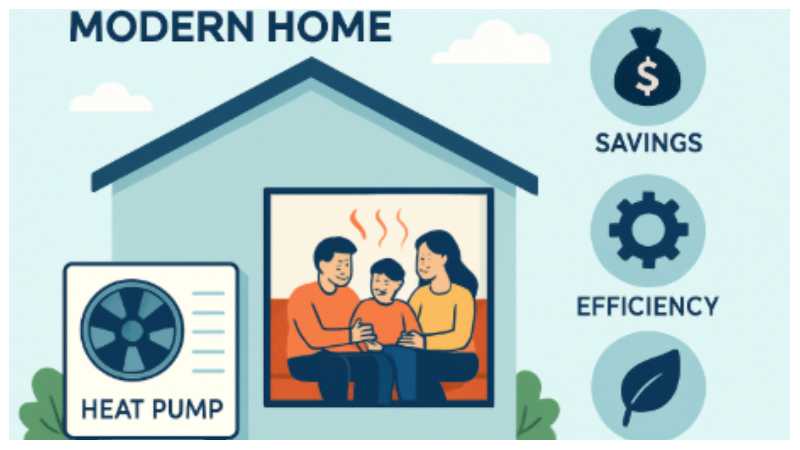
- Modern heating systems, such as heat pumps, offer higher efficiency and lower energy costs compared to traditional methods.
- Government incentives and policies are accelerating the adoption of energy-efficient heating solutions.
- Technological innovations, including smart thermostats and predictive controls, are enhancing both comfort and energy savings.
The modern homeowner is seeking ways to enhance comfort and reduce high energy bills—goals that are increasingly achievable thanks to advances in heating technology. Today’s efficient heating systems are reshaping the way we heat our homes, offering solutions that not only outperform older furnaces and boilers but also help homeowners reduce their carbon footprint. As more households upgrade their systems, many are turning to reputable heating installation services for expert guidance and seamless installation, ensuring optimal efficiency and performance.
This transformation is the result of several converging forces: innovative technologies, robust government initiatives, and heightened awareness of the environmental impacts of outdated heating systems. Across the U.S. and globally, these changes are helping families stay warm, save money, and contribute to a greener future.
Traditional gas or oil-based heating systems—once the backbone of home comfort—are quickly being replaced by advanced, eco-friendly alternatives. The shift is not just about embracing new equipment; it’s about rethinking comfort, sustainability, and the value of investing in efficient solutions that improve both day-to-day living and long-term home value.
As energy prices fluctuate and climate concerns rise, understanding how to maximize the benefits of modern heating technologies—and knowing where to find reliable information—has never been more crucial. For additional tips and advice, many people also consult reliable resources such as Wirecutter’s guide on thermostats for an in-depth look at optimizing home efficiency.
The Rise of Heat Pumps
Heat pumps are revolutionizing residential heating by offering a more effective alternative to systems that burn fuel to create warmth. Instead, heat pumps operate by transferring heat from the outside air or the ground to the indoors. According to the International Energy Agency, they can be up to five times more energy-efficient than standard gas boilers. This high efficiency dramatically reduces energy use, lowers utility costs, and significantly cuts the home’s environmental impact.
In practical terms, installing a heat pump can result in lower winter bills and quieter, more consistent heating throughout the home. The technology is mature, readily available, and increasingly supported by government rebates and energy programs—making it a compelling choice for homeowners eager to modernize their comfort systems.
Government Initiatives and Incentives
Recognizing the critical role that efficient heating plays in reducing emissions and utility costs, governments are taking action to accelerate the adoption of new technology. For example, a coalition of 25 U.S. state governors and the Biden administration recently pledged to quadruple the number of heat pumps in American homes by 2030, upping the total from 4.7 million to 20 million units. Such large-scale support is expected to drive down the costs and make energy-efficient upgrades more accessible to all.
Additionally, U.S. residents who install high-efficiency water heaters or other qualifying equipment by December 31, 2025, may be eligible for federal tax credits under the Energy Efficient Home Improvement Credit, one of several incentives included in the Inflation Reduction Act. State-level rebates and utility incentives also help reduce the initial investment required to adopt efficient home heating systems.
Technological Innovations Enhancing Efficiency
New technologies are setting the stage for even greater heating efficiency. Smart thermostats, for instance, enable users to create customized heating schedules that adapt to daily routines and external weather conditions. Some advanced predictive control systems—often used in conjunction with heat pumps—can automatically adjust temperature setpoints based on forecasts and occupancy, resulting in energy savings of up to 19% in field tests while maintaining comfortable home temperatures. These systems eliminate the guesswork from energy management, providing data-driven insights that empower homeowners to optimize their energy use throughout the year.
Real-Life Impact: A Homeowner’s Experience
One compelling example comes from a Levittown resident who replaced an aging oil boiler with a Mitsubishi Electric Heating and Air Conditioning System. Thanks to inverter technology, the new system operates quietly, maintains consistent indoor temperatures, and delivers noticeably lower energy bills. As a bonus, the heat pump system works for both heating and cooling—demonstrating the year-round benefits of upgrading to an energy-efficient solution.
Environmental and Economic Benefits
The environmental advantages of modern heating systems are significant. By moving away from fossil fuels, households shrink their carbon footprint—a critical step in global efforts to address climate change. At the same time, the improved efficiency of new systems directly benefits homeowner finances through lower monthly energy bills. Upgrading components such as water heaters or complete HVAC units not only delivers immediate savings but can also boost home value, especially as buyers become more eco-conscious.
Challenges and Considerations
Despite the many positives, there are hurdles to overcome. The initial cost of efficient systems can be higher than that of traditional models, although rebates and incentives are helping to alleviate this challenge. For those living in frigid climates, a dual-fuel or backup heating option may sometimes be needed to ensure optimal performance. Lastly, the advantages of any advanced system are best realized when paired with expert installation and regular maintenance, emphasizing the importance of choosing skilled professionals for the job.
Looking Ahead: The Future of Home Heating
The push for efficient heating isn’t slowing down. Exciting innovations, such as AI-driven “human-in-the-loop” HVAC management, are already being tested and promise to further elevate the bar for smart, sustainable comfort. As knowledge and incentives grow, and as technology continues to advance, the market is set to see even wider adoption of efficient home heating solutions—helping families stay comfortable while reducing their ecological impact for generations to come.
Efficient heating system upgrades are more than a trend; they’re part of a growing movement to blend comfort, savings, and sustainability. With the right technology and expert assistance, homeowners can future-proof their homes for both comfort and efficiency, all while contributing to a greener tomorrow.