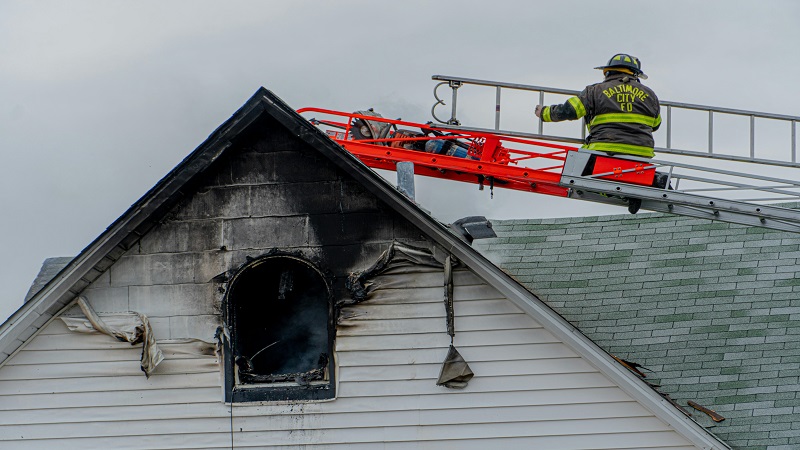
A house fire is one of the most traumatic experiences a homeowner can endure. Beyond the immediate danger and destruction, the aftermath presents a daunting challenge: restoring the home to its former condition. Fire damage restoration is a complex process that involves more than just cleaning up debris. It requires a strategic approach to repair structural damage, eliminate smoke and soot, and ensure the safety and livability of the space. Understanding the steps involved in fire damage restoration is essential for homeowners who want to navigate the recovery process with confidence and clarity.
Assessing the Damage
The first step in fire damage restoration is a thorough assessment of the property. This involves evaluating the extent of the fire’s impact, identifying areas that are structurally compromised, and determining what can be salvaged. Professionals typically conduct this inspection, using specialized tools to detect hidden damage and assess air quality. The assessment helps create a roadmap for restoration, outlining the necessary repairs, cleaning procedures, and safety measures. It also provides documentation that may be required for insurance claims, which are often a critical part of the recovery process.
Securing the Property
After a fire, the property may be vulnerable to further damage from weather, vandalism, or theft. Securing the home is a crucial early step in the restoration process. This may involve boarding up windows, covering damaged roofs with tarps, and reinforcing compromised entry points. In some cases, temporary fencing is installed to prevent unauthorized access. These measures not only protect the property but also ensure the safety of restoration workers and residents who may need to return during the process.
Removing Debris and Water
Fires often leave behind a significant amount of debris, including charred wood, melted materials, and damaged furnishings. Removing this debris is essential to begin the cleaning and repair process. Additionally, water used to extinguish the fire can cause its own damage, leading to mold growth and structural weakening. Water extraction and drying are therefore critical components of fire damage restoration. Industrial-grade dehumidifiers, air movers, and moisture detection tools are used to eliminate excess water and prevent secondary damage.
Cleaning Smoke and Soot
Smoke and soot are among the most persistent and harmful residues left behind after a fire. They can penetrate walls, ceilings, and personal belongings, leaving stains and odors that are difficult to remove. Cleaning these residues requires specialized techniques and products. Dry cleaning sponges are used for delicate surfaces, while chemical cleaners may be necessary for tougher stains. In some cases, surfaces must be sealed or repainted to fully eliminate the effects of smoke. Proper ventilation and air purification are also essential to remove airborne particles and restore indoor air quality.
Deodorizing the Home
Even after visible soot and smoke are removed, the odor of fire can linger for weeks or months. Deodorizing the home is a critical step in making it habitable again. Techniques such as thermal fogging, ozone treatment, and hydroxyl generation are commonly used to neutralize odors at the molecular level. These methods penetrate porous materials and eliminate the source of the smell, rather than simply masking it. Deodorization is often repeated multiple times to ensure complete effectiveness, especially in homes with extensive smoke exposure.
Repairing Structural Damage
Once the home is clean and safe, attention turns to repairing structural damage. This may include replacing drywall, flooring, roofing, and electrical systems. In severe cases, entire sections of the home may need to be rebuilt. Restoration professionals like fire and restoration companies near me work closely with contractors to ensure that repairs meet building codes and restore the home’s integrity. This phase can be time-consuming and costly, but it is essential for returning the property to a livable condition. Homeowners should stay involved in the process, reviewing plans and inspecting completed work to ensure quality and satisfaction.
Restoring Personal Belongings
Fires often damage or destroy personal belongings, including furniture, clothing, electronics, and sentimental items. Restoration teams use various methods to salvage these items, such as ultrasonic cleaning, dry cleaning, and specialized restoration techniques for electronics and documents. While not everything can be saved, many items can be restored with the right approach. Homeowners should create an inventory of damaged belongings and consult with their insurance provider to determine coverage and replacement options.
Navigating Insurance and Documentation
Insurance plays a vital role in fire damage restoration. Homeowners must file claims promptly and provide detailed documentation of the damage. This includes photographs, receipts, and professional assessments. Working with a public adjuster or restoration company that understands the insurance process can help streamline claims and ensure fair compensation. It is important to keep records of all communications and expenses related to the restoration, as these may be needed for future reference or disputes.
Preparing for the Future
Once restoration is complete, homeowners should take steps to prevent future fires. This includes installing smoke detectors, maintaining fire extinguishers, and conducting regular inspections of electrical systems and appliances. Creating a fire escape plan and educating family members about fire safety can also make a significant difference in emergency situations. For homes in wildfire-prone areas, additional measures such as fire-resistant landscaping and sealing gaps in the building envelope can offer added protection.
Conclusion
Restoring a home after a fire is a challenging but achievable process. It requires careful planning, professional expertise, and emotional resilience. By understanding the steps involved—from assessment and cleaning to repair and prevention—homeowners can take control of their recovery and rebuild not just their property, but their peace of mind. Fire damage restoration is more than a technical task; it is a journey toward healing, safety, and renewal. For expert care and rapid recovery after fire or water damage, trust the certified professionals at NYCrestoration.com to bring your property back to life.