Key Takeaways
- Energy code compliance ensures buildings meet standards for efficiency, sustainability, and occupant comfort.
- Core components include building envelope design, HVAC efficiency, lighting systems, and the integration of renewable energy.
- Staying informed about state-specific updates and national standards helps prevent costly delays, fines, or permit issues.
- Compliance delivers cost savings, environmental benefits, improved indoor air quality, and increased property value.
- Engaging professional expertise, conducting energy audits, and leveraging available resources are critical for successful adherence.
Introduction to Energy Code Compliance
Energy code compliance is a pivotal requirement in today’s construction landscape. Whether overseeing a new build or managing a significant renovation, meeting energy codes ensures that the structure will meet required standards for energy efficiency. These regulations are designed to reduce energy consumption, cut operating costs, and promote long-term environmental stewardship. Achieving compliance not only benefits property owners by lowering utility expenses but also delivers broader environmental gains by limiting waste and emissions. For those in the building sector, understanding and implementing energy codes is no longer optional—it’s an essential component of best practice. Most construction projects are now subject to rigorous IECC code compliance testing as an early and ongoing measure of adherence to current standards. IECC code compliance testing has become a fundamental part of the planning and inspection process, ensuring new and renovated buildings meet energy-efficiency benchmarks.
Complying with energy codes can be complex, as requirements often vary by location and type of construction. For developers, builders, and architects, a thorough grasp of updated code requirements—and the processes for demonstrating compliance—can mean the difference between project approval and costly holdups. Furthermore, code compliance is frequently tied to permits, financing, and even eligibility for various efficiency incentives or rebates.
Key Components of Energy Codes
The core requirements found in most state and regional energy codes address several critical parts of building design and operation:
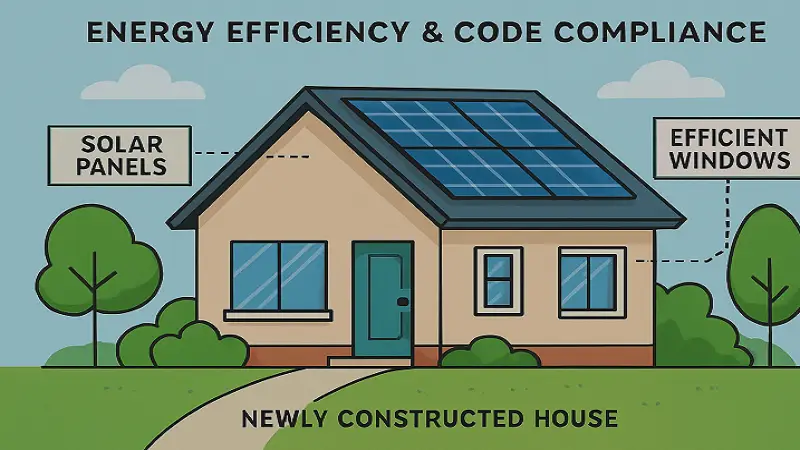
- Building Envelope:Guidelines on insulation, window systems, and thermal barriers to curtail unwanted heat transfer, pivotal in improving a structure’s overall performance.
- HVAC Systems:Standards for efficient heating, ventilation, and air conditioning. Ensuring these systems operate optimally can account for a significant portion of a building’s total energy savings.
- Lighting:Mandates on efficient lighting technology and controls. Modern codes often require LED or similar options that minimize power use without sacrificing performance.
- Renewable Energy:Increasingly, codes include stipulations for incorporating solar panels or other renewable energy technologies, further diminishing reliance on non-renewable sources.
Recent Updates in Energy Codes
Energy codes are living documents, frequently revised as building technologies advance and climate-related objectives evolve. For instance, in 2024, California adopted innovative changes to its building energy efficiency standards. The new requirements promote the adoption of heat pumps and pave the way for electric-ready installations in commercial and multifamily buildings. These changes, ahead of many national standards, illustrate how energy codes can drive both savings and emissions reductions. The California Energy Commission projects billions saved in utility costs and a significant decrease in greenhouse gas emissions.
States continually adapt energy codes to meet local climate and development goals. Upgrades often reflect improvements in insulation types, mechanical efficiency, or the incentivization of sustainable technologies, such as electric heat pumps. As energy-saving goals rise, professionals and property owners must stay informed about the latest updates for compliance and to position their properties for future requirements.
Challenges in Implementing New Energy Codes
While energy code updates promise significant benefits, they can sometimes encounter resistance due to economic and logistical challenges. A recent pause in Delaware’s code overhaul, for example, stemmed from concerns about its potential effect on housing affordability and the construction industry. Tightening energy standards can impact upfront costs, home pricing, and the local labor force’s readiness. This highlights the need for ongoing dialogue among policymakers, industry professionals, and community stakeholders to strike a balance between environmental imperatives and economic realities.
State-Specific Energy Code Developments
Different regions employ unique approaches to implementing energy codes. In Colorado, a new building code emphasizing efficient, all-electric homes and climate-aligned practices is set to become the state’s minimum standard by July 2026. This initiative aims to reduce emissions while maintaining affordable housing significantly—a crucial balance for rapidly growing communities. Such efforts demonstrate how states are tailoring their compliance approaches to meet both climate and housing needs, embracing electrification without making homes cost-prohibitive for buyers or renters.
Benefits of Compliance
Upholding energy code requirements yields several prominent advantages:
- Cost Savings:Improved efficiency in building envelope, mechanical, and lighting systems means lower operational expenses and reduced utility bills.
- Environmental Impact:Reduced consumption of fossil fuel-generated power directly shrinks a building’s carbon footprint, benefiting the wider community and supporting national and international sustainability goals.
- Occupational Comfort:Superior insulation and airflow design result in more consistent indoor temperatures and improved air quality, increasing overall occupant satisfaction and health.
- Resale Value:Energy-efficient homes and buildings often attract higher sales prices and greater buyer interest, as energy savings and sustainable features become more desirable in the real estate market.
Steps to Ensure Compliance
- Stay Informed:Keep abreast of both local and national code revisions through reliable industry and government publications.
- Engage Professional Expertise:Consult architects, engineers, and energy specialists who are knowledgeable about prevailing code requirements—especially during the design phase.
- Conduct Precise Energy Audits:Energy audits can reveal critical areas for improvement in existing structures and verify compliance for new builds.
- Leverage Industry Resources:Take advantage of guidance, tools, and checklists offered by energy commissions, state agencies, and non-profit organizations dedicated to sustainable building.
Final Thoughts
Adapting to evolving energy codes is central to sustainable construction and renovation. Overcoming challenges, staying informed, and utilizing professional expertise enable stakeholders to reap the benefits of code compliance—efficiency, comfort, increased property value, and reduced environmental impact. Proactive compliance not only benefits project stakeholders but also supports broader energy conservation goals and paves the way for a resilient built environment.