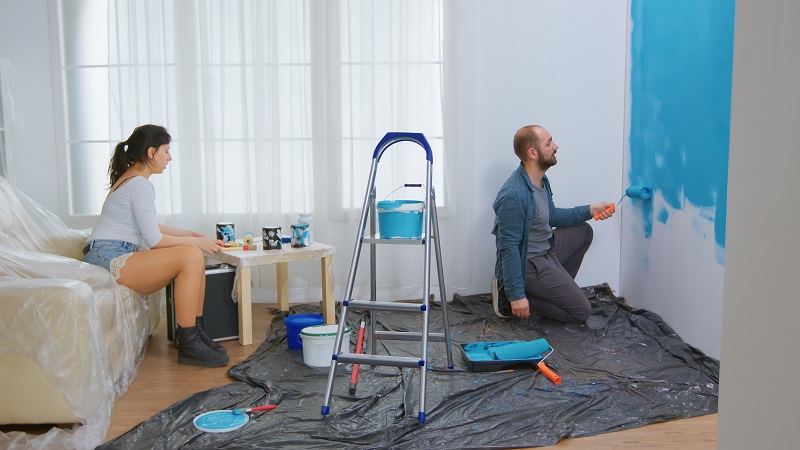
Maintaining the visual appeal and structural integrity of a property is a top priority for any property manager. Not only does the appearance of a building influence tenant satisfaction and property value, but exterior painting also plays a crucial role in protecting surfaces from harsh elements such as rain, the sun’s UV rays, and general wear and tear. A well-executed painting project does far more than provide a fresh look—it helps to safeguard the underlying construction materials, preventing decay, rot, or rust. Therefore, implementing industry best practices and a proactive approach ensures the longevity and overall success of any painting endeavor, making it an essential aspect of responsible property management.
Efficient Planning and Scheduling
Proper planning is the cornerstone of a successful painting project, especially when coordinating property management painting services to maintain smooth operations. Before commencing work, property managers should conduct a complete assessment of the project scope, detailing surfaces, color schemes, tenant needs, and project timelines. Coordinating closely with tenants is vital, as scheduling painting activities during off-peak hours or times of reduced building occupancy, such as weekday mornings or during school holidays, can significantly reduce disruptions to everyday living. For instance, choosing to paint common areas during business hours when many tenants are away at work is a smart way to minimize inconvenience. Additionally, weather considerations must not be overlooked, especially for exterior projects; inclement weather can delay completion, compromise adhesion, and diminish overall finish quality. A phased approach—painting one section of the building at a time—helps to keep spaces open and accessible, which is particularly valuable for larger buildings or complexes.
Comprehensive Surface Preparation
Insufficient surface preparation is responsible for almost 90% of paint failures. Preparing surfaces thoroughly boosts paint durability and success. This involves cleaning to remove dust, dirt, oil, or mildew; ensuring surfaces are dry; filling, sanding, and smoothing cracks or imperfections; and scraping away peeling paint. Priming with the correct primer for wood, concrete, or drywall promotes adhesion and prevents stains or color bleed-through. Attention to detail here affects how well the paint adheres and resists peeling, chipping, or blistering over time. Regular checks during prep ensure a solid foundation for excellent results.
Adherence to Safety and Environmental Regulations
Compliance with safety standards and environmental regulations is essential, especially in older buildings built before 1978. Property managers must follow the EPA’s Lead Renovation, Repair, and Painting (RRP) Rule to reduce lead exposure, which can cause long-term health issues. Preparing for safe hazardous material handling and disposal is vital. Using low or zero VOC paints is now industry standard, as these improve indoor air quality and lower headache or respiratory risks. Certified professional painters ensure tasks are handled in accordance with regulations, making projects safe and compliant. Incorporating eco-friendly materials and methods helps create healthier living spaces and supports sustainability.
Regular Maintenance and Inspections
Post-project maintenance is essential to preserve the quality and integrity of the paint job. Without ongoing upkeep, even the best-executed painting project will degrade prematurely. Establishing a maintenance routine that includes regular inspections for cracks, blisters, or fading enables early intervention before major damage occurs. Cleaning painted surfaces with gentle detergents or pressure washing exteriors can remove dirt, mold, and contaminants, extending the paint’s lifespan by as much as 20-30%. Promptly addressing water leaks or other moisture issues is just as important, as failure to do so can lead to mold growth and paint deterioration underneath the visible layer. Ensuring proper ventilation in high-humidity areas will further protect painted surfaces by preventing condensation and the problems it brings. Regular touch-ups, which quickly repair minor chips or scuffs, keep the entire property looking fresh and well-maintained, reflecting positively on management and enhancing tenant retention.
Budgeting and Cost Considerations
Effective budgeting is critical for the successful execution of any painting project. Property managers should take a detailed inventory of all surfaces to be painted, calculate the required materials, and factor in labor costs. The quality of the paint selected has a direct correlation with longevity and resistance to fading, mildew, and chalking. Premium products may cost more upfront, but they often prove to be cost-effective when factoring in fewer touch-ups and longer intervals between repainting. Obtaining multiple written quotes from reputable, licensed contractors is highly recommended, as this ensures that pricing is transparent and competitive, reducing the risk of inflated costs or hidden fees. Carefully reviewing each proposal for what is included—such as surface preparation, primer coats, and cleanup—helps property managers compare offers on an apples-to-apples basis. A well-documented budget also aids in securing necessary approvals from property owners or boards and helps set realistic expectations about project timelines and potential contingencies.
Communication with Tenants and Stakeholders
Transparent communication with tenants and stakeholders is vital for a smooth and successful painting project. Notifying residents well in advance about the start date, the estimated timeline, specific areas to be affected, and any preparations they need to make—such as relocating personal items or temporarily vacating certain areas—can foster cooperation and goodwill. Clear and consistent signage within the building or property grounds ensures that everyone is informed and able to navigate work zones safely. Providing a dedicated point of contact for questions or concerns, whether it’s a property manager or a member of the painting crew, will help address issues quickly and maintain trust. Responsive management that listens to—and acts on—tenant feedback can transform a potentially disruptive renovation into a positive experience that enhances resident satisfaction and fosters a stronger sense of community within the property.
Partnering with Professional Painting Services
Working with professional painting services boosts property management by ensuring efficiency, compliance, and quality. Experts handle various surfaces, use proper tools, stay up-to-date on techniques and regulations, and troubleshoot challenges such as unusual features or hard-to-access areas. They adhere to safety practices to protect both residents and workers. For example, O Painting offers property management painting services in California, focusing on high-quality craftsmanship and customer care from planning to completion. Partnering with such professionals saves time, money, and stress, investing in the property and community.
Conclusion
Implementing best practices in property management painting projects is crucial for maintaining and enhancing property value, enhancing curb appeal, and ensuring a positive tenant experience. Through detailed planning, meticulous surface preparation, strict adherence to safety and environmental laws, conscientious maintenance, and efficient communication, property managers can consistently achieve attractive, long-lasting, and cost-effective results. By partnering with reputable professionals like O Painting, property managers further guarantee project success, compliance, and satisfaction for years to come.