Key Takeaways
- Evaluate and address any basement moisture or structural concerns before starting your project.
- Clarify the space’s main purpose to streamline your design and furnishing decisions.
- Use smart lighting, insulation, and decor to create a basement that feels bright and inviting.
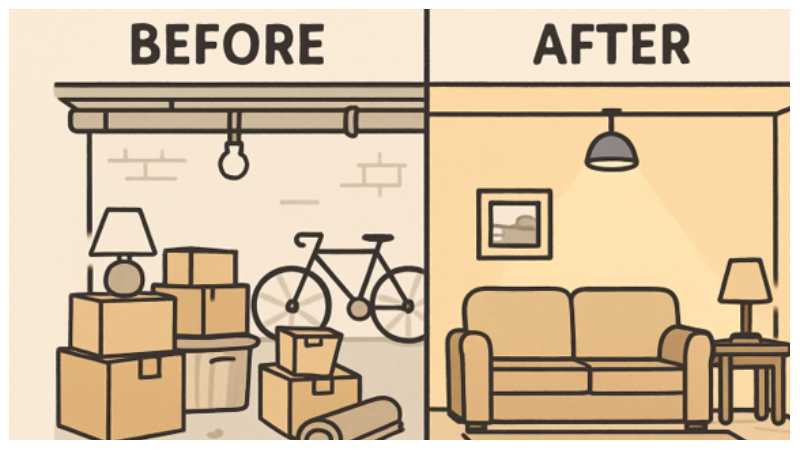
Transforming your basement from a cluttered storage area into an inviting, livable space opens new opportunities for relaxation, entertainment, and productivity. Many homeowners are now turning to this valuable square footage to create custom retreats, all while boosting their property’s value. Working with a professional basement remodelling contractor helps ensure the project is executed safely, legally, and up to the highest standards.
A successful basement transformation starts with a clear vision and a thorough assessment of your space. Before decorating, it’s vital to address structural concerns, moisture, and insulation so that your basement becomes a seamless extension of your home—not just a second thought. Functional design, quality materials, and personalized decor make all the difference, empowering you to create anything from a home office to a cozy guest suite.
Thoughtful design also brings essential comfort and livability to the basement. Factors like natural and artificial lighting, proper ventilation, and soundproofing help create a welcoming environment that feels comfortable every season and at any time of day. These elements are equally as important as stylish finishes when it comes to creating a space you and your family will love using year-round.
Basement renovations rank among some of the highest-value remodeling projects, both in terms of personal satisfaction and return on investment. Whether you envision a personal gym, a theater, or a serene guest retreat, the right precautions and planning yield a finished space that is safe, comfortable, and functional for years to come.
Assessing Your Basement
Start your basement transformation by thoroughly inspecting the space. Look for visible cracks in walls or floors, signs of water intrusion, mold, or lingering odors that could signal structural or plumbing issues. Proper assessment now prevents costly repairs after the renovation and is crucial to a healthy, long-lasting living area. If you suspect hidden problems, consulting a professional for a detailed inspection can save you both time and money.
Additionally, confirm that the ceiling height and layout meet local code requirements for finished spaces. Ensure there are no exposed wires, and verify that heating, cooling, and electrical systems are sufficient to support your intended use of the basement.
Defining the Purpose
Clarifying how you intend to use your basement helps refine your priorities and practical needs. For example:
- Home Theater:Dim lighting and soundproofing will be crucial for an optimal entertainment experience.
- Home Office:Reliable internet access, natural light, and plenty of storage take precedence.
- Guest Suite:Consider an en-suite bathroom and built-in closets for privacy and comfort.
- Fitness Room:Reinforced floors, impact-resistant materials, and good air circulation are essential.
Once you define your goals, every design choice—from floor plan to furnishings—can be made with confidence, resulting in a truly functional living space.
Designing for Comfort
Comfort should be a non-negotiable factor. Begin by addressing climate: high-quality insulation and a reliable HVAC system will help regulate temperature in both winter and summer. Soundproofing can be particularly valuable in basements used as music studios, game rooms, or theaters, where privacy and noise control are important. Finally, choose textiles such as thick rugs, curtains, and plush furniture to soften the environment and add warmth.
Lighting and Ventilation
Natural light is often scarce in basements. Combat this by layering different types of lighting: overhead LED fixtures for general brightness, wall sconces for ambiance, and task lights for work or reading areas. If the remodeling budget allows, consider adding egress windows or enlarging existing ones to bring in sunlight and satisfy emergency exit requirements.
Ventilation is just as critical. Stagnant air can increase humidity and promote mold growth. Install exhaust fans or a dedicated ventilation system to ensure ongoing air exchange, especially if you’re creating a space that requires additional moisture control, such as a gym or laundry area. For top tips on brightening your basement, explore this guide from Hunker.
Additionally, a dehumidifier can help maintain optimal moisture levels and improve year-round air quality. Thoughtful lighting and ventilation upgrades not only enhance comfort but also protect your investment by preventing long-term moisture-related issues.
Flooring and Wall Finishes
Selecting the right materials prevents future issues and establishes the space’s style. For flooring, consider moisture-resistant options like luxury vinyl plank, engineered hardwood, or specialized carpeting. These handle basement conditions well and enhance comfort underfoot.
For the walls, choose mold- and mildew-resistant drywall or paneling. Painting walls in lighter hues boosts natural brightness. You might even install wainscoting or feature walls for added texture and dimension.
Furnishing and Decor
Match your furnishings to the room’s new function. Sectional sofas can anchor a large family room, while compact desks and space-saving shelves maximize a home office. Layer area rugs, throw pillows, and blankets for warmth, and personalize the space with framed artwork, plants, and family photos to make it your own.
Addressing Moisture and Insulation
Moisture is the primary challenge in most basements. Use vapor barriers on floors and walls before installing any finish materials. A sump pump can help manage groundwater, and a quality dehumidifier will keep humidity in check after the renovation. Waterproofing may involve both external and internal measures, so explore all options to prevent future problems.
Legal and Safety Considerations
Basement renovations are subject to strict local building codes. Key requirements include sufficient ceiling height, proper emergency exits (such as egress windows), and safe electrical and plumbing installations. Permits are often necessary, and inspections may be required to verify compliance. Consult with a professional to stay on the right side of safety standards and protect your remodeling investment. If in doubt, your local municipality or a trusted contractor can offer guidance specific to your area.
With thorough planning, quality materials, and skilled professionals, transforming your basement into a functional living space is a rewarding investment. Carefully address the unique challenges basements present, and you’ll unlock your home’s hidden potential—creating a space that your family and guests will enjoy for years to come.