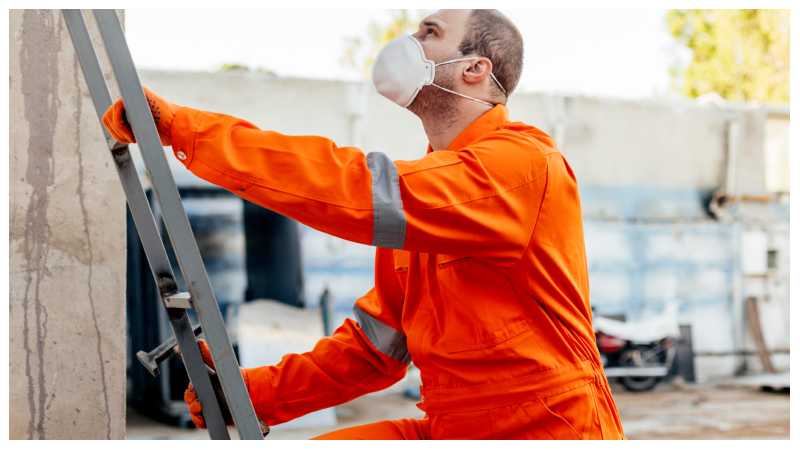
Asbestos remains a hidden concern in many residential, commercial, and industrial properties built decades ago. Although its use has declined significantly, asbestos-containing materials may still exist in insulation, flooring, roofing, and wall systems. Because these materials often appear harmless when intact, property owners may not realize the potential risk until renovation, repair, or demolition begins. Asbestos testing services play a critical role in identifying these materials before they are disturbed. Through careful sampling and analysis, testing helps protect occupants, workers, and property owners from exposure while supporting informed decision-making about maintenance and upgrades.
Understanding Asbestos Risks
- Why Asbestos Requires Careful Identification
Asbestos fibers are microscopic and cannot be detected by sight or smell, making identification difficult without professional testing. When asbestos-containing materials are disturbed, fibers can become airborne and remain suspended for long periods. Inhaling these fibers over time has been linked to serious health concerns, making early identification essential. An Asbestos testing service helps determine whether suspect materials contain asbestos before any work begins. This process reduces uncertainty and allows property owners to plan next steps responsibly. Without testing, renovations or repairs may unknowingly increase exposure risk, turning routine projects into long-term safety issues.
- Where Asbestos Is Commonly Found
Many older properties still contain asbestos in areas that are rarely inspected. Pipe insulation, ceiling tiles, vinyl flooring, siding, and older roofing materials are common locations. Because these materials are often hidden behind walls or above ceilings, asbestos may remain undetected for years. Testing services focus on these high-risk areas, collecting samples carefully to avoid fiber release. Understanding where asbestos is likely to exist helps property owners take a proactive approach to safety. Identifying these materials early prevents accidental disturbance during maintenance or remodeling projects.
- Early Awareness Matters
Discovering asbestos before renovation begins allows property owners to pause and reassess plans safely. Early awareness helps prevent rushed decisions that could compromise health or compliance. Testing creates clarity at a critical moment.
- The Testing Process Explained
Asbestos testing follows a structured process designed to minimize disturbance and ensure accurate results. Trained personnel collect small samples from suspected materials using controlled methods. These samples are then sealed and sent to laboratories for analysis. The laboratory examines fiber composition to determine whether asbestos is present. This process ensures reliable identification without unnecessary exposure. Testing does not automatically require removal; it simply provides the information needed to determine how to manage the material safely. Clear results support informed planning rather than guesswork.
- Supporting Renovation and Maintenance Decisions
Property renovations often require asbestos testing. Drilling, cutting, or removing materials can release fibers if asbestos is present. Testing services support renovation planning by confirming whether materials can be handled normally or require additional precautions. This guidance helps contractors and owners coordinate work safely. Knowing the status of materials also prevents project delays caused by unexpected discoveries mid-renovation. With test results in hand, property owners can schedule work confidently, ensuring safety measures align with actual conditions rather than assumptions.
- Regulatory and Compliance Considerations
Asbestos testing services also support compliance with local and national regulations. Many jurisdictions require testing before demolishing or renovating older structures. Failure to comply can result in fines, project stoppages, or legal complications. Testing documentation provides proof that due diligence was performed. This documentation is often required during property transactions or inspections. By meeting regulatory expectations, property owners reduce liability and demonstrate commitment to safety. Testing serves as both an administrative safeguard and a health-focused measure.
- Protecting Occupants and Workers
One of the most important roles of asbestos testing is protecting people who live or work in a building. Occupants may be unaware of potential risks hidden within walls or ceilings. Workers performing repairs or upgrades are particularly vulnerable if asbestos is disturbed unexpectedly. Testing services create a layer of protection by identifying risks before exposure occurs. This proactive approach supports safer environments for everyone involved. Clear knowledge of material composition enables appropriate controls to be implemented as needed, reducing long-term health concerns.
- Long-Term Property Management Benefits
Asbestos testing contributes to long-term property management by creating a record of material conditions. This information is valuable for future maintenance, renovations, or sales. Knowing where asbestos exists allows property managers to plan upgrades strategically rather than reactively. It also supports transparency during property transfers, helping buyers make informed decisions. Over time, this documentation helps maintain consistency in safety practices, reducing uncertainty as properties age or change hands.
Asbestos testing services play a vital role in maintaining property safety and supporting responsible decision-making. By identifying hidden asbestos-containing materials, testing helps prevent accidental exposure during renovations, maintenance, or demolition. The process provides clarity, supports regulatory compliance, and protects occupants and workers alike. Rather than raising alarm, asbestos testing provides practical information that helps property owners manage risks effectively. Through early identification and informed planning, testing services contribute to safer buildings and more confident property management over the long term.