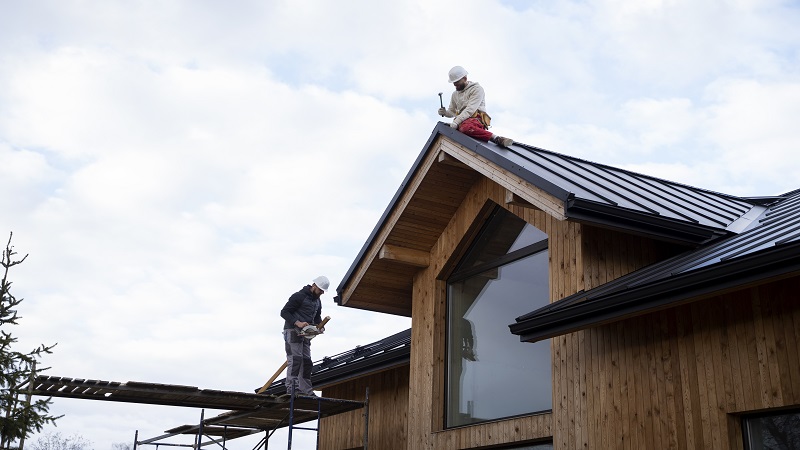
A roof is one of the most critical components of any home, protecting it from the elements and ensuring safety and comfort inside. Over time, however, even the most durable materials can begin to show signs of wear. Small issues, such as minor leaks, curling shingles, or water stains, can indicate deeper structural problems that, if ignored, may lead to costly damage. Identifying these early warning signs is crucial to preventing larger issues in the future.
Regular maintenance and repair for aging roofs play a key role in extending their lifespan and preserving a home’s integrity. Addressing minor concerns promptly can prevent water infiltration, mold growth, and damage to insulation. By staying proactive and attentive to early indicators, homeowners can protect their investment and maintain a safe, efficient living environment for years to come.
Missing or Damaged Shingles
Shingles play a vital role in protecting your home from water infiltration and wind damage. When shingles become cracked, start to curl at the edges, or fall off entirely, your home’s roofing materials are left exposed. This exposure can quickly result in moisture entering your attic space, causing unseen decay that may occur over months or even years. Regular roof inspections after severe weather events can help homeowners catch these issues early on.
Suppose you discover shingles that have lost their granules, appear warped, or are missing altogether. In that case, it’s crucial to organize repairs before additional problems develop on either the surface or beneath the roof deck.
Water Stains on Ceilings or Walls
A key sign of a leak is water stains on ceilings or walls, often starting faint and darkening to a yellow or brown hue over time. You might also detect a musty odor or notice bubbling paint and plaster. Even minor leaks can degrade insulation, encourage mold growth, and compromise the building’s structural integrity. If stains appear or worsen following rain, take prompt action. Neglecting them may result in expensive repairs, mold growth, and permanent damage to your home.
Granules in Gutters
Asphalt shingles are manufactured with an outer layer of granules to protect against UV damage and the weather. As shingles age, these granules can gradually detach and accumulate in your gutters or near your downspouts. Excessive granule buildup not only indicates shingle deterioration but can also impair your gutter’s ability to drain water efficiently, resulting in standing water, roof deck rot, or even ice damming in colder climates.
Checking your gutters and noticing an unusual amount of granules in the runoff is a sign that your shingles may no longer be providing your home with adequate protection.
Sagging Roof Sections
Visible dips or uneven spots in your roofline signal potential structural issues, often caused by prolonged moisture exposure or rotted support beams. Sagging typically shows up in valleys, at the eaves, or across extensive roof areas, especially in older homes or after heavy snowfall. This warning should never be overlooked, as it can rapidly lead to partial or total roof collapse, posing risks to residents and necessitating urgent repairs.
If you notice your roof isn’t level anymore or feels soft when you walk on it, contact a roofing professional right away to assess any internal or external damage.
Mold, Moss, or Algae Growth
Organic material on your roof isn’t only for appearance; moss and algae can trap water, causing damage to shingles. Mold inside suggests ventilation problems or leaks, which can lead to rot and health issues such as allergies. To avoid growth, trim trees and improve attic ventilation. If you notice moss, streaks, or mold, have a professional inspect and repair the area.
Prevention and Regular Maintenance
Regular roof maintenance and inspections help prevent expensive repairs. Perform seasonal checks for signs of damage, and hire professionals periodically to inspect vents, flashing, and underlayment to ensure they meet code requirements. Remove debris and repair weather-related damage quickly to prevent further issues. If uncertain, consult certified roofing experts to diagnose problems and recommend the correct solutions.
Conclusion
Your roof is critical to your home’s safety, comfort, and value. Recognizing early signs of trouble can mean the difference between simple maintenance and extensive repairs down the road. By staying informed, acting quickly, and prioritizing maintenance and repair for aging roofs, you help secure your home against the elements and preserve its structure for years to come. Invest in regular inspections, take early warning signs seriously, and enjoy the lasting peace of mind that a healthy roof offers.